- Sekhukhune traditional councils sworn in as provincial rollout concludes - March 19, 2026
- Afrikaners must denounce treasonous elements - March 13, 2026
- SDA celebrates recognition for unqualified audit - March 12, 2026
Sekhukhune traditional councils sworn in as provincial rollout concludes
Traditional councils in the Sekhukhune District are among the latest of 141 newly constituted councils to be officially sworn into office during the current financial year.
The Limpopo Department of Cooperative Governance, Human Settlements and Traditional Affairs (CoGHSTA) launched the swearing-in rollout programme in October 2025, beginning in the Capricorn District.
To date, a total of 118 traditional councils have been sworn in across the province. Of these, 46 are in Sekhukhune District, 18 in Capricorn, six in Waterberg, 13 in Mopani and 35 in Vhembe.
The newly appointed council members will serve their respective communities for a five-year term. The councils’ composition is set at 60% appointed by senior traditional leaders and 40% elected by communities.
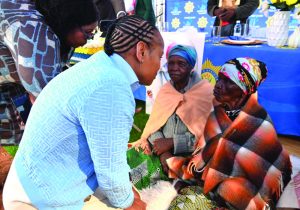
Limpopo MEC for CoGHSTA, Basikopo Makamu, welcomed the swearing-in of the new members, describing process as a significant milestone that underscores the department’s commitment to strengthening the institution of traditional leadership.
“I take pride, on behalf of the Limpopo Provincial Government and CoGHSTA, in congratulating the newly constituted traditional council members. Your swearing-in represents a covenant with the communities you will serve. By taking the oath, you have made a solemn promise to carry out your duties faithfully and to the best of your ability. Let us work together for the benefit of our communities,” said Makamu.
The council members assume their roles at a time when significant responsibilities lie ahead. Their duties include administering the affairs of traditional or Khoi-San communities in line with customs and traditions, and supporting traditional and Khoi-San leaders in fulfilling their responsibilities.
They are also expected to work closely with municipalities by identifying community needs and facilitating participation in the development or amendment of Integrated Development Plans (IDPs).
In addition, the councils will recommend interventions aimed at improving development and service delivery within their jurisdictions, in consultation with relevant local and provincial structures.
Their responsibilities further extend to contributing to policy and legislative development at municipal level, promoting cooperative governance, and advancing integrated and sustainable development.
The council members are also tasked with promoting indigenous knowledge systems, supporting disaster management efforts, and alerting municipalities to potential hazards or calamities.
Furthermore, they are expected to strengthen cooperation and information-sharing with other traditional and Khoi-San councils, while carrying out functions guided by customary law, traditions and the Constitution.